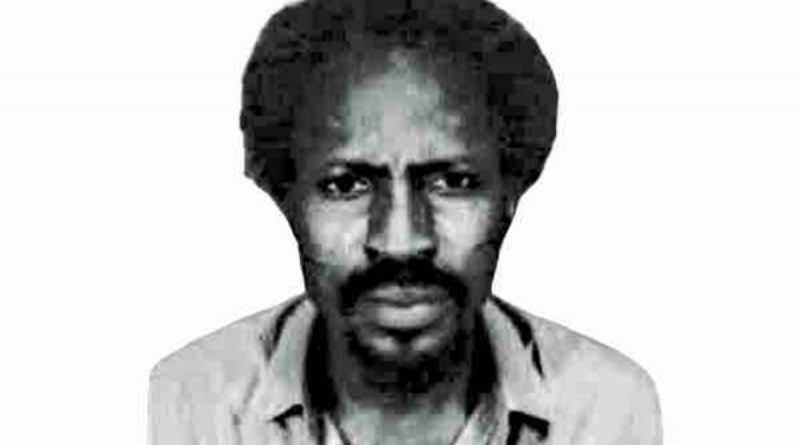
Born in Nsawan, Ghana, to Nigerian parents originally from Offa, Kwara State, Gani was an exceptional artist whose contributions to the field of visual art cannot be over-emphasized. He spent his early life in Ashanti after which his father came back to Nigeria, especially to continue his Cocoa trade. Gani worked as a clerk with the Nigerian Breweries, but upon...
Born in Nsawan, Ghana, to Nigerian parents originally from Offa, Kwara State, Gani was an exceptional artist whose contributions to the field of visual art cannot be over-emphasized. He spent his early life in Ashanti after which his father came back to Nigeria, especially to continue his Cocoa trade.
Gani worked as a clerk with the Nigerian Breweries, but upon the motivation he received from his friends who saw his talent in the art, he applied for a degree programme at Ahmadu Bello University, Zaria in 1972 and graduated with a B.A and M.A degrees in Fine Art in 1975 and 1979 respectively.
For his performance, he was retained at his alma mater as a graduate assistant. According to Hynes, Gani's artworks explore philosophical concepts about "accident and design", fragments, and the "unbalanced balance equilibrium".
Gani's works do not only challenge the common notion of the West that African Art is 'childish' but also took some political undertones. A typical example of this was his work titled "The King Shares a Joke with his Generals", which served as an allusion to the ostentatious liberalism of Babangida's military regime. Another interesting work linking bridges across missing linkages was "A Dialogue with Mona Lisa".
However, his work titled "the King, the Queen and the Republic" composed in 1987 are unanimously considered, especially by art critics as one of his best oeuvres, probably due to its obvious but sympathetic emphasis on the socio-political narratives engulfing the Nigerian state.