Iwalewa Gallery

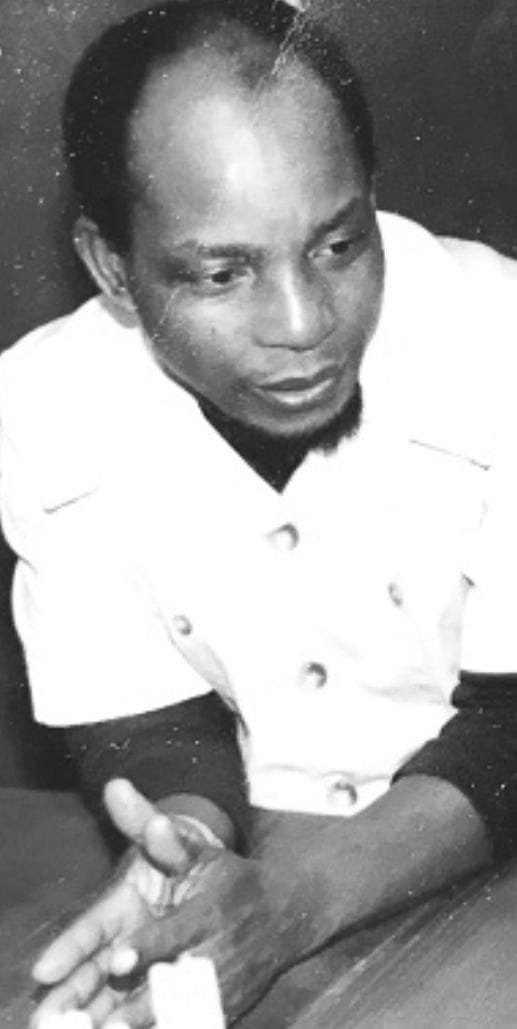
Solomon Irein Wangboje, 1930 - 1998, Nigeria.

Solomon Wangboje (Graphic artist and Art educator) 1930-1998. Solomon Irein Wangboje was born in 1930, in Edo State of Nigeria. He first trained as an artist in 1959 at the former Nigerian College of Arts, Science and Technology, Zaria, where he obtained a diploma in Fine Arts, specializing in graphic design. He later got his MFA degree in 1963 at...

Solomon Wangboje (Graphic artist and Art educator) 1930-1998.
Solomon Irein Wangboje was born in 1930, in Edo State of Nigeria. He first trained as an artist in 1959 at the former Nigerian College of Arts, Science and Technology, Zaria, where he obtained a diploma in Fine Arts, specializing in graphic design.
He later got his MFA degree in 1963 at USA, and his PhD in art education also from USA in 1968. Apart from his untiring effort in encouraging young artists to utilize their talents, he has had many oneman and group exhibitions of his works within and outside Nigeria. Some of such prints are Desert Journeys and the romance of the headload 1 and 11.
SOLOMON IREIN WANGBOJE's Artworks

Man, Mask, And Myth (vi), 1976

Solomon Irein Wangboje

With bold color and stark lines, this work delves into the sacred link between the individual and cultural mythology. The central mask signifies the enduring connection to tradition and collective spiritual beliefs.

The Man, Mask And Myth (v), 1976

Solomon Irein Wangboje

The monumental figure holds a protective inner mask, exploring the layered nature of self and communal identity. It represents the wisdom of tradition and the spiritual power of ancestors shielding the people.

The Music Maker Mood (vii), 1971

Solomon Irein Wangboje

This rhythmic print captures the ecstatic, unifying power of sound in communal life. The forms vibrate with the joy and intensity of the music, symbolizing the essential role of rhythm in culture.

Festival Of The Gods, 1979

Solomon Irein Wangboje

A vibrant, layered celebration of tradition, capturing the dynamic energy of community rituals. Priestly figures and ancestral symbols merge, reflecting the people's deep spiritual connection to their cultural heritage.